

 |
> E&O/GL Insurance for Home Inspectors |
A Concerning History of Failures
by Mike Twitty, ACI (retired)
Electrical equipment and products of various designs and applications have at times been found to have problems that require redesign and manufacturer recalls.
Solid aluminum wiring that was used in the 1970s is one example of a product that caused fire hazards. Federal Pacific Stab-Lok panels are another.
This brings us to a discussion of a product that is commonly used in HVAC installations: the pull-out disconnect switch. These disconnects are the least expensive units available, which makes them extremely popular. Several manufacturers produce this type of disconnect in both fusible and non-fusible models. Most are almost identical in size and design. The manufacturer’s name and logo on the boxes are the only noticeable differences.
The disconnecting means in these units is a handle that is pushed in and pulled out manually to control power to the appliance. Other types of HVAC disconnects use make/break switches such as knife switches and molded case circuit breakers. One problem with the pull-out type is that sometimes the handle is not fully inserted into the contacts and does not get a good connection.
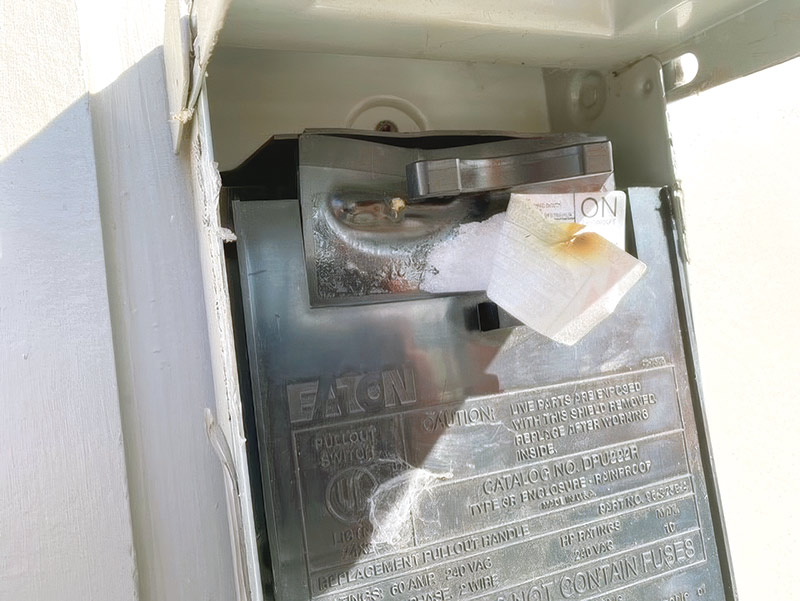
Figure 1: Melted disconnect used for EV charger
Enlarged Image
All the manufacturers of the units refer to them as “air-conditioner disconnects (ACD).” The intended use by one of the largest suppliers, Eaton, states: “manufactured for use with lower load compressors with intermittent operation.” The instructions continue to state: “This ACD is not intended for uses on electric (EV) charging, photovoltaic, and resistive heating applications.” (See Figure 1.) Eaton recommends another of their products with a 2-pole off/on switch for these applications.
(story continues below)

(story continues)
The pull-out type HVAC disconnects have a significant history of overheating and melting failures. A recent situation at a multi-family property in Columbia, Tennessee had as many as 14 melted disconnects that were being used with electric furnaces with resistive heat strips located in the attics. One condo dwelling was destroyed by fire in December 2025. (See Figure 2.) The rating of the disconnects involved is 60 amps. The heating load that they were supplying was approximately 42 amps. The heating load for an extended period caused the units to melt as they are not appropriate for continuous loads.
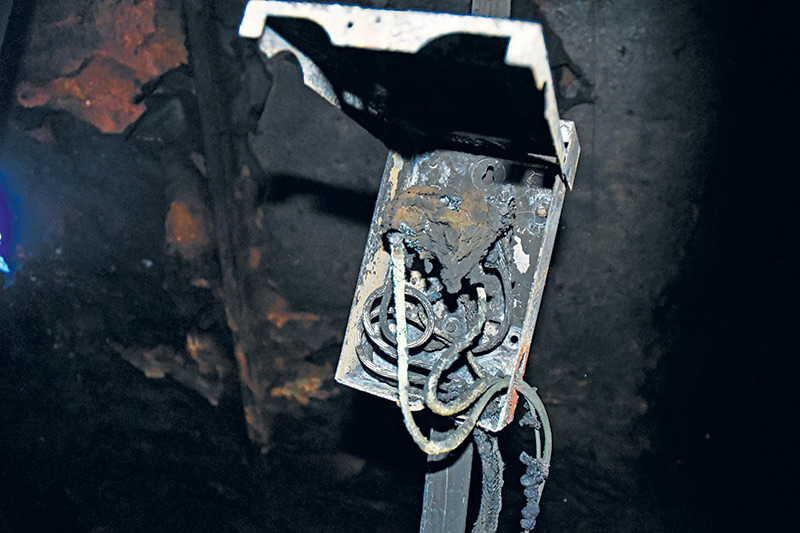
Figure 2: Disconnect in fire-damaged condo
Enlarged Image
The National Electrical Code (NEC) defines a continuous load as: “A load where the maximum current is expected to continue for three hours or more.” Both heating and cooling loads can operate at maximum current for longer than three hours during extreme weather conditions in many parts of the country. HVAC manufacturers determine the minimum circuit ampacity of condensing units and heat pumps by rating the compressor RLA at 125 percent and fan motor FLA at 100 percent to meet potential continuous load requirements.
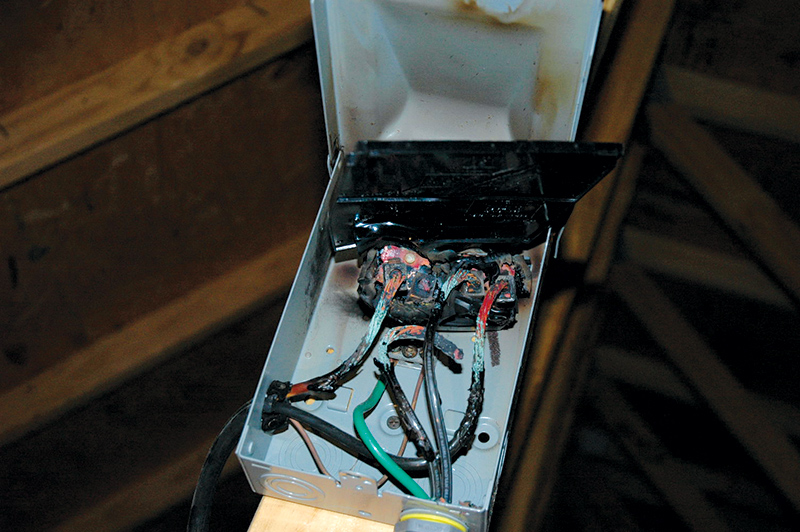
Figure 3: Melted disconnect used for electric furnace
Enlarged Image
Pull-out type HVAC disconnects are available in both fusible and non-fusible models and are typically rated at 30-amps or 60-amps. Both the fusible and non-fusible models have been known to have melting failures. Most failures appear to be at the handle. Close examination of the plastic covering of the handle will often reveal deformation from heat produced from the load.
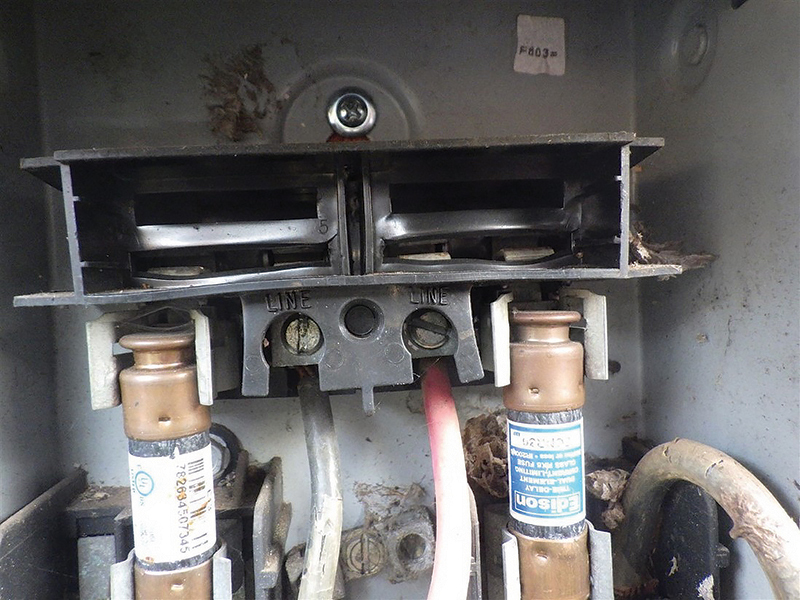
Figure 4: Melted disconnect on condensing unit; courtesy of Jim Katen
Enlarged Image
The history of failures of any electrical product is concerning. Home inspectors, code inspectors, and electricians should be aware of these issues. Recommendations for a different type of disconnect should be made when any evidence of damage, incorrect installations, and continuous load operation is observed. These recommendations could possibly save lives and prevent property damage.
About the Author
Mike Twitty retired from a 17-year home inspection career in 2021. He is a licensed electrician and an ICC certified electrical code compliance inspector for residential and commercial installations. Mike currently stays busy providing continuing education for home inspectors focusing specifically on electrical subjects. He can be reached via email at: mtwitty2@hotmail.com.
Published by OREP Insurance Services, LLC. Calif. License #0K99465