

 | > E&O/GL Insurance for Home Inspectors Competitive Rates, Broad Coverage, Free Risk Management, online inspection support for tough questions, discounts on education and more… Professional Coverage, Competitive Pricing Shop OREP today! |
Algae, Moss, and Lichen on Roofs: How It Affects Roof Shingles
by Greg Nelms, Nelms Inspections
Clean roofs add to a home’s curb appeal and its real value. But when a roof is plagued with moss, lichen, or algae, it hurts the home’s aesthetics in noticeable ways and that added value is lost. Even worse, moss, lichen, and algae will damage roof materials and shorten their lifespan, massively increasing the costs owners will pay for roof maintenance and care. The good news is that identifying and mitigating the sources of this damage will save that hassle and money.
Damage Caused by Algae and Lichen
Figure 1 shows a home with a roof that is 10 years old. The unsightly streaks on the roof are the result of algae growth. While algae is mostly a cosmetic issue, it can lead to other more important concerns such as lichen.
Lichen is a strange creature—it’s both fungi and plant, and it grows in symbiosis with algae. On a roof, that process will begin when fungus or organic material is transported by the wind. Then sunlight, moisture, and oxygen will all speed up the mating and growth process. Black and green algae growing on the roof will provide nutrients for the lichen. This means that preventing algae growth on the roof’s surface will also help prevent lichen.
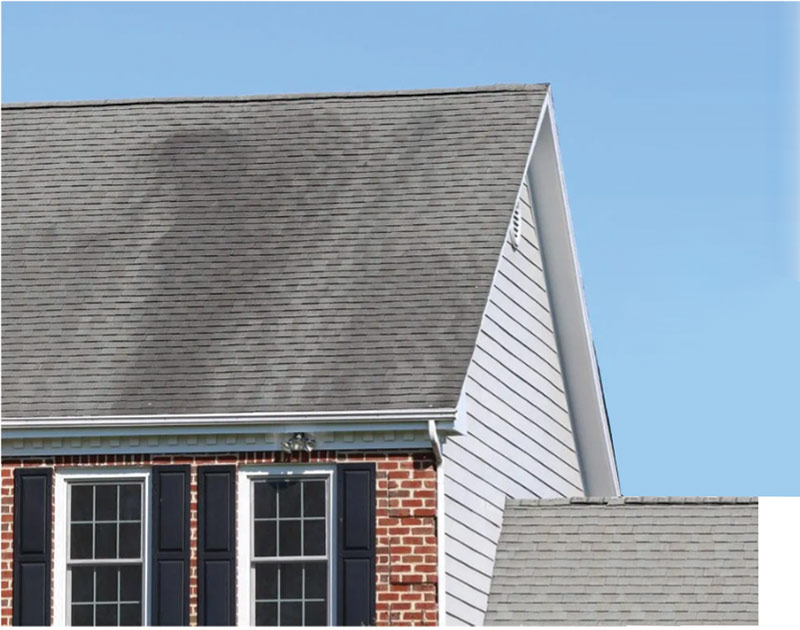
Figure 1: Ten-year-old home with roof showing algae growth
Enlarged Image
Why is lichen so dangerous on the roof? Most roofs in the United States use asphalt composite shingles (See Figure 2). Lichens are acidic, and acids damage the shingles by eroding their protective surface layer. As they grow, lichen colonies will trap heat in the shingles, preventing them from cooling down properly. This accelerates the shingles’ deterioration process. The asphalt dries out and cracks more easily.
Lichen also traps moisture against the roof that would otherwise evaporate into the air. In areas subject to frost, this moisture can damage the shingle surface through freeze-and-thaw cycling. This cycling loosens the bond between the limestone granules and the asphalt. The life of any roof material depends upon its ability to dry out after becoming wet. This humidity inhibits the shingles from drying.
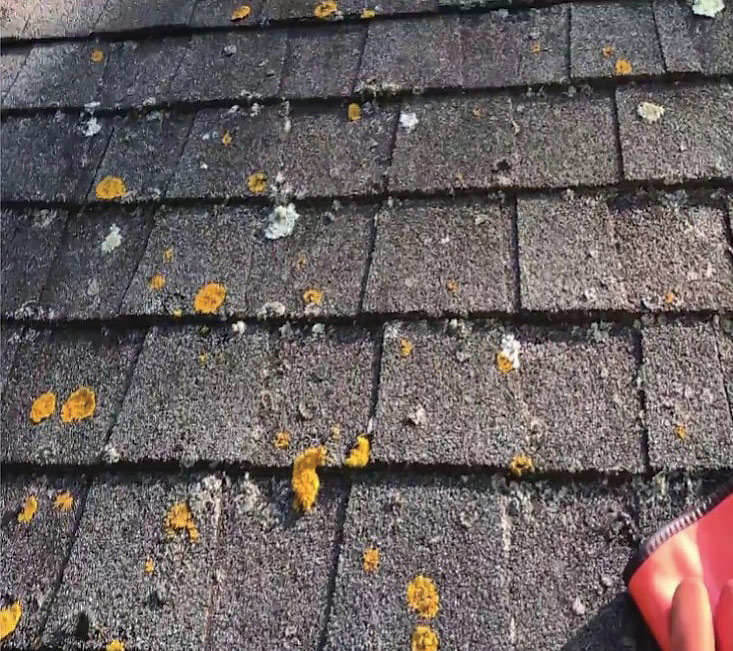
Figure 2: Roof with orange, green, and gray lichen growth
Enlarged Image
To make matters even worse, when lichen is removed, it takes a portion of the shingle’s protective material with it, since it has bonded so strongly with the shingle. This makes the asphalt more vulnerable to damage from sunlight. In the end, lichen can damage roofing material in many different ways, greatly reducing the lifespan of those materials and increasing the costs of maintenance and repair.
How Moss Growth Threatens Your Roof
Moss growing on a roof is also extremely damaging to asphalt shingles. It hurts the asphalt in similar ways to lichen, but the process happens faster. Once moisture mixes with organic debris left sitting on the roof, the moss will begin to grow.
A number of factors can increase this risk. The amount of shade and overhanging tree branches above the house makes a difference. A well-shaded roof prevents the evaporation of moisture, creating optimal conditions for moss to thrive. Because of this, we often see that the north side of a roof is more susceptible to moss.
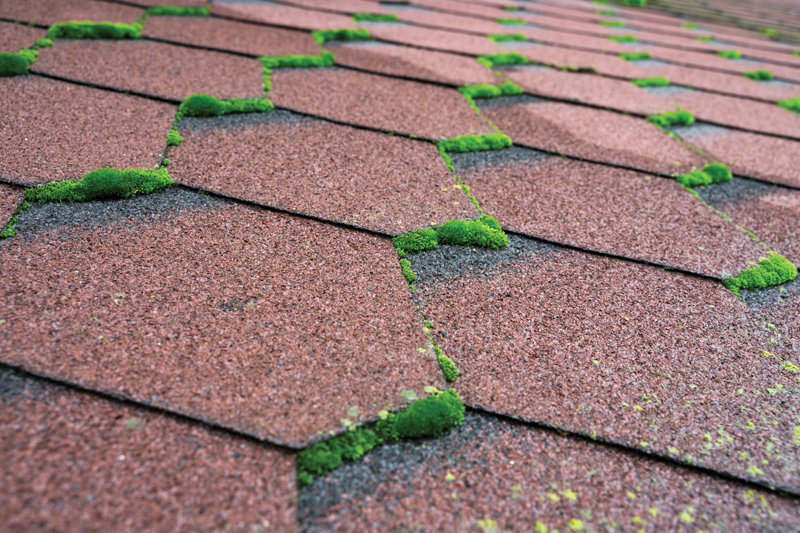
Figure 3: Moss Growth
Enlarged Image
Moss holds moisture much like a sponge retains water. Since it typically grows around the edges of shingles, moss will then intrude under the shingle, lifting it, and making the roof more vulnerable to leakage and wind damage (See Figure 3). Moss can also make the roof very slippery and dangerous for those walking around the roof to make repairs.
(story continues below)

(story continues)
Preventing Algae, Lichen, and Moss Growth
Understanding how algae, lichen, and moss grow on roofs in the first place, knowing that the key is moisture and allowing organic matter to mix with water, suggests an obvious strategy in preventing and reducing all that growth: remove the moisture and organic matter.
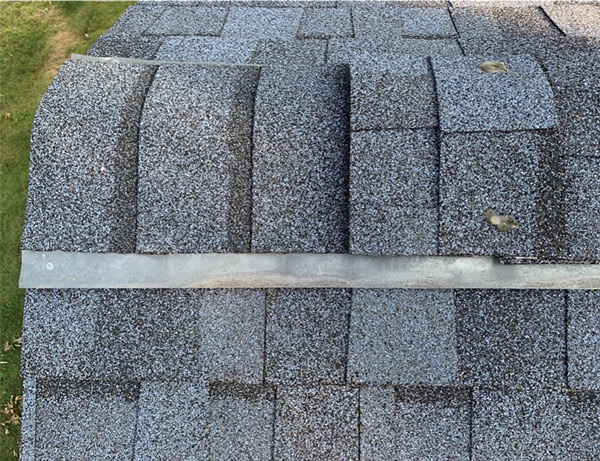
Figure 4: Strip of zinc flashing installed at ridge of this 2021 roof
Enlarged Image
Some of this begins with the manufacturers. Makers of asphalt composition shingles have been incorporating algae-resistant material into their shingles for several decades. Although a number of different methods have been used, the current process of embedding copper into the mineral surface of the shingle is the most common. As water washes over the shingle, the copper kills any algae that may be present. But this method does not last the life span of the roof shingle, and the roof will be susceptible to algae, lichen, and moss at some future point. Make sure you check your manufacturer’s warranties, as they vary widely in coverage. Most policies will cover you for five years, but it pays to check for specifics.
Another method that was common in years past and appears to be making a resurgence is incorporating a metal strip of aluminum, zinc, or copper across the length of the ridge (See Figure 4). This metal band works in a way similar to the embedded copper within the roof shingles. If you’ve ever wondered why roofs sometimes look cleaner below the chimney and plumbing vents, it’s because as rain washes over the metal, this kills algae below those flashing components (See Figure 5).
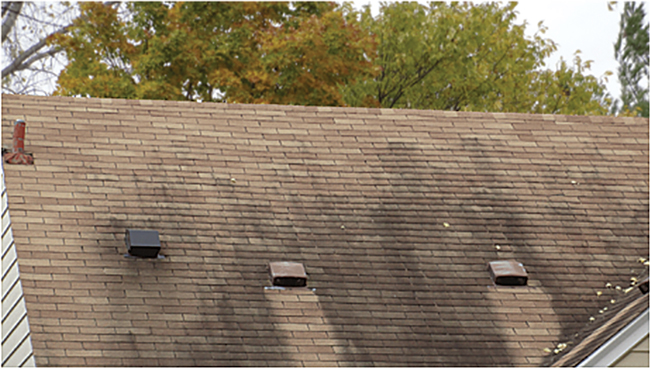
Figure 5: Notice area below vents free of algae and moss
Enlarged Image
There are other ways to remove algae, lichen, and moss. One common method is to wash them off with chemicals like algaecide and bleach (See Figure 6). Once the shingles have been treated with the chemicals, the algae, lichen, and moss will die in the following several days, and eventually washed away in successive rain events. As you might expect, this is a process that is best left to professionals. From the safety risks involved in slope roofs and soapy or slippery chemicals, to the risk of uneven results that will leave a roof looking worse than the blight of algae, lichen, and moss you’re trying to remove. Another consideration is the possible damage the chemicals may cause to landscaping. Most professionals will wet down surrounding plants and shrubs before and after the roof has been treated with the wash.
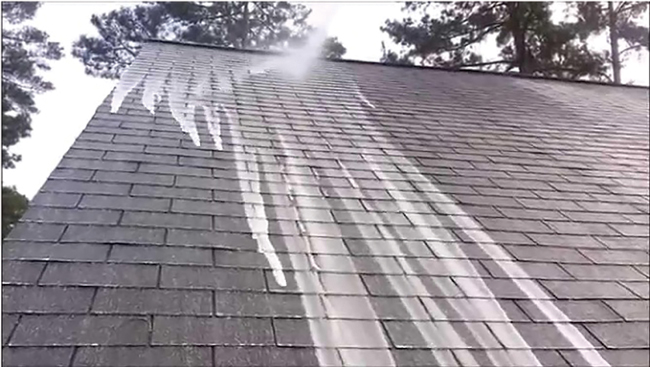
Figure 6: Professional application of algaecide to roof
Enlarged Image
Keeping roofs free from debris and build-up is critical. It’s the ounce of prevention that beats the pound of cure. Allowing leaves, pine needles, oak pollen, branches, etc. to remain on a roof will promote the growth of moss and lichen. The solution is to regularly clean it up. This most often happens during the fall and spring, but can also happen situationally, like after a rain or wind storm brings debris from nearby trees. Performing maintenance is always less expensive than having to remedy a crisis situation.
Conclusion
A roof is not just a critical component of the dwelling. It also is expensive to replace. By recognizing the potential damage of algae, lichen, and moss growth, and knowing what to do to remove them and mitigate their early damage, a homeowner can initiate corrective maintenance and help guarantee the roof material will last its normal life span. When it comes to your roof, a little bit of diligence and maintenance goes a long way.
About the Author
Greg Nelms is the owner of Nelms Inspections and has been a home inspector for 35 years. He is also an instructor for the home inspection courses required by the state of New Jersey to obtain a home inspection license. Greg is a guest educational speaker for seminars across the country and is often asked specifically to teach on the subject of report writing. He can be reached at nelmsinspections@gmail.com.
Published by OREP Insurance Services, LLC. Calif. License #0K99465